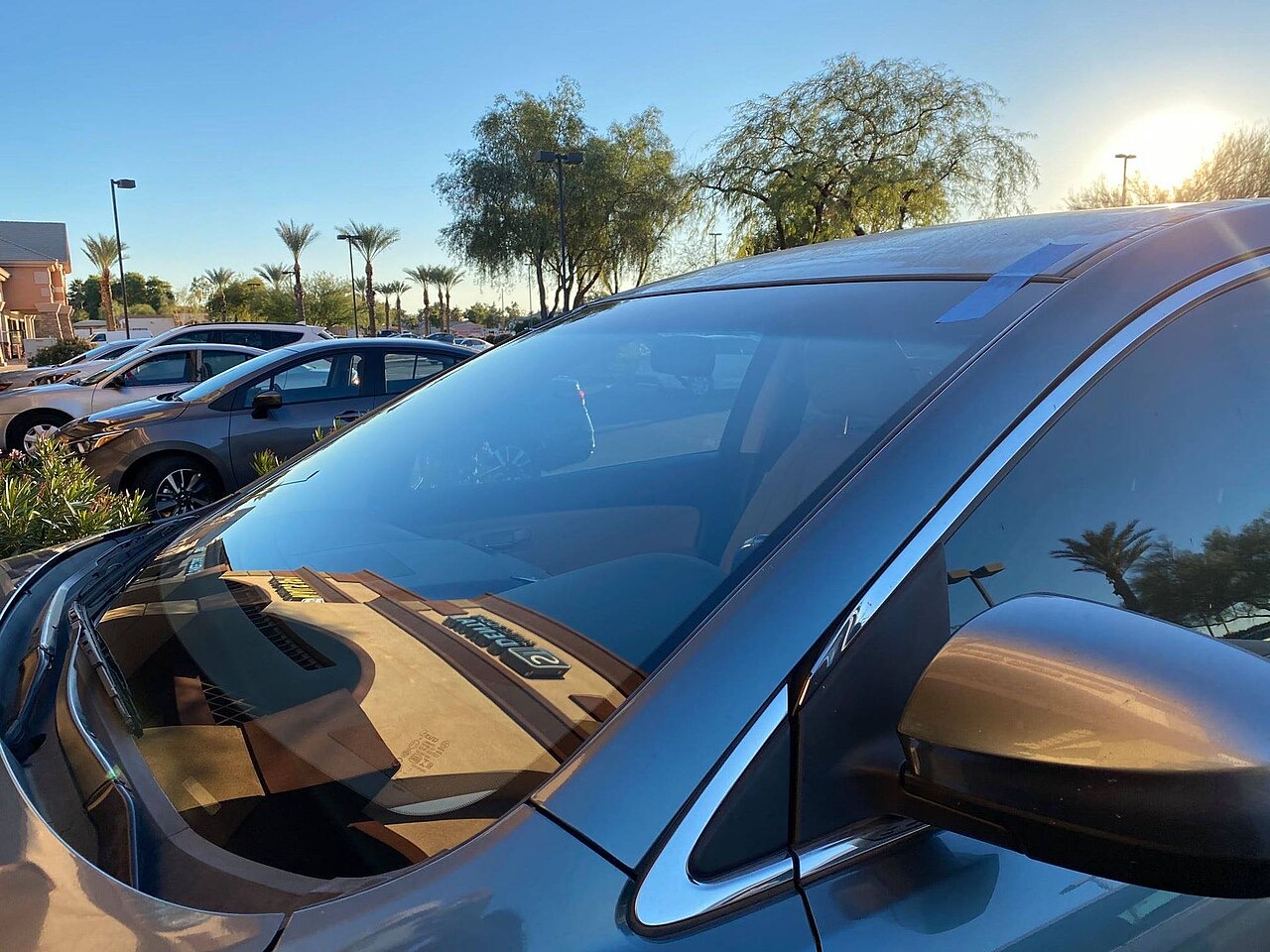
Mesa windshield damage often starts small and becomes urgent after heat, highway driving, dust, or storm debris. This checklist helps drivers and fleet contacts decide what to watch, what to document, and when to request auto glass help.
Published by Mesa Auto Glass Help. Last updated 2026-07-13. This guide is educational and does not replace an on-site diagnosis, professional advice, or manufacturer instructions.
Hot-weather chip check
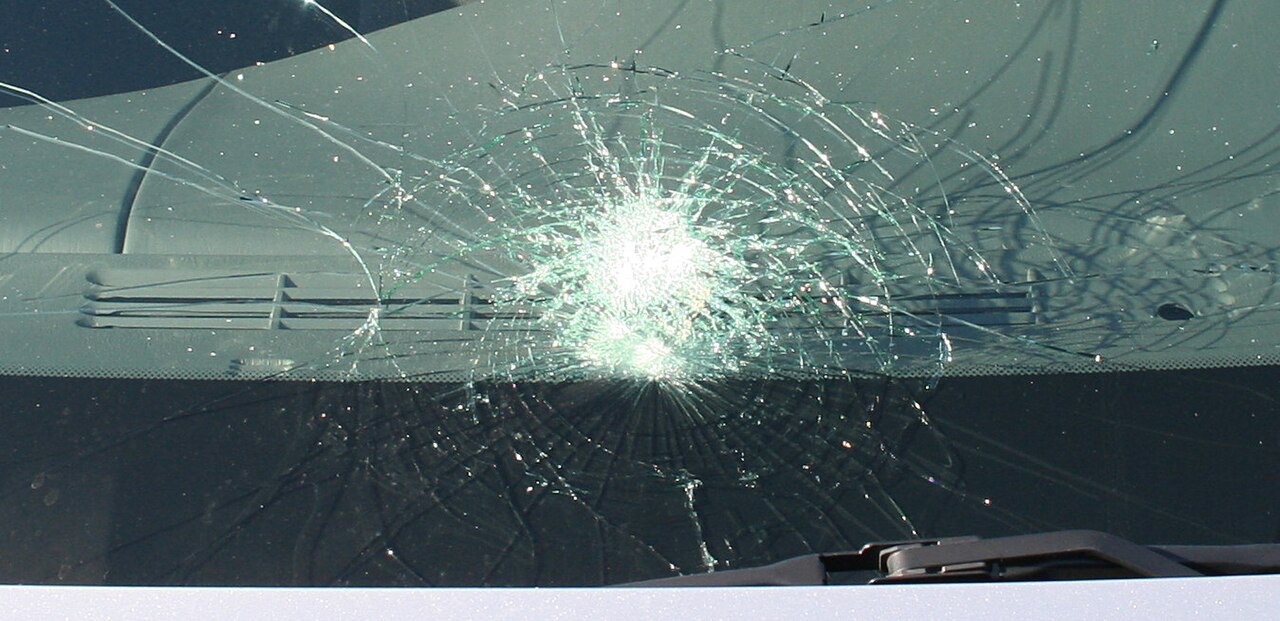
Heat and vibration can help small windshield damage spread. A quick check is most useful after highway driving, parking in direct sun, or hearing a rock impact.
- Chip size and whether a crack has started from it
- Whether the damage sits in the driver sightline
- Whether the crack reaches the windshield edge
- Whether the damage is near mirror-mounted cameras or sensors
Monsoon and dust-season details
Dust, debris, rain, and sudden weather changes can make visibility and glass condition more important. Note whether the damage affects safe driving or wiper function.
- Windshield wipers skip, chatter, or pass over cracked glass
- Dust or moisture has entered the damaged area
- Glass damage affects nighttime glare or storm visibility
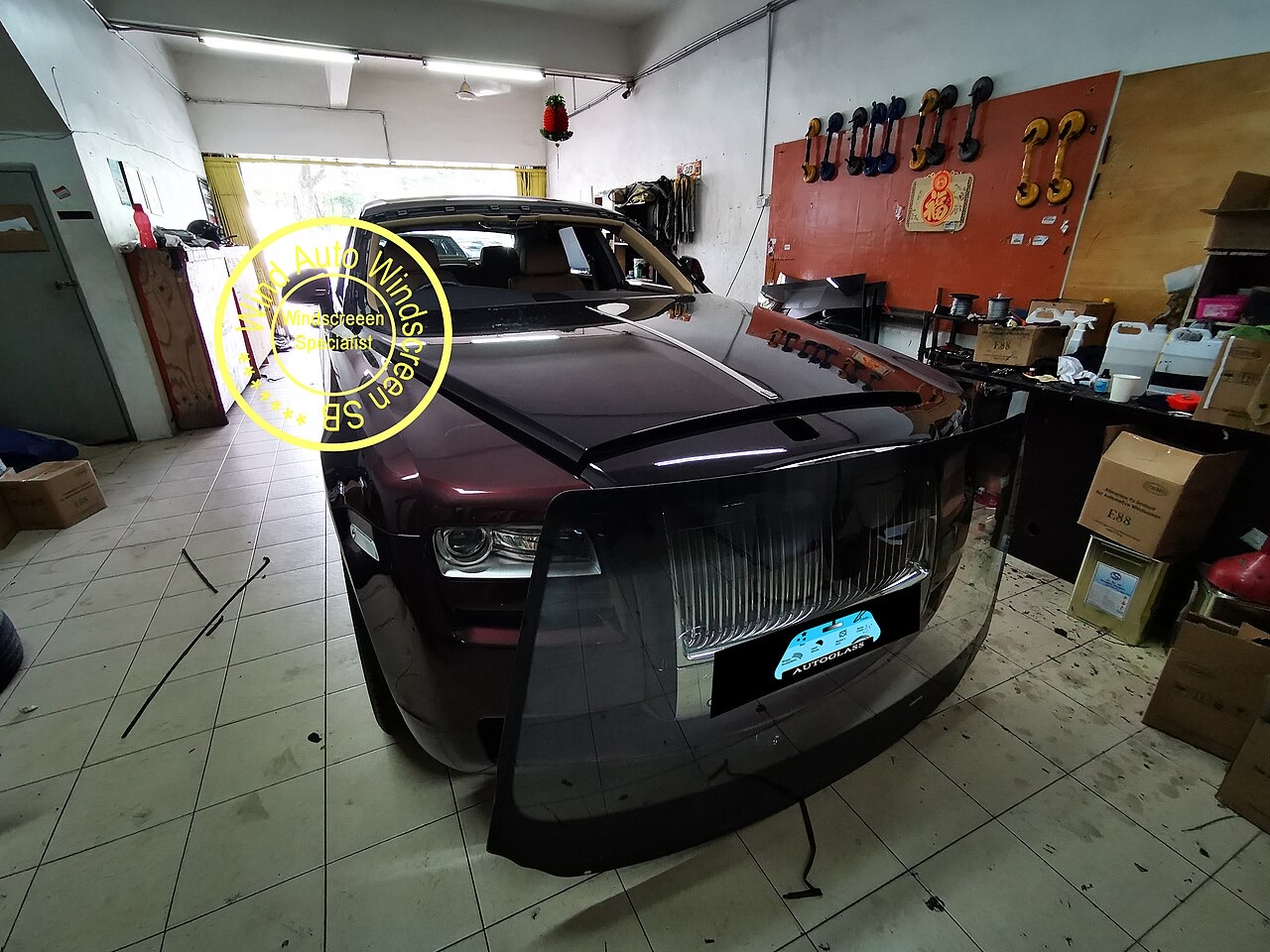
- Mobile service may be safer than driving the vehicle
Before requesting repair or replacement
The most useful quote details are vehicle year, make, model, trim, VIN if available, damage location, whether insurance is involved, and whether mobile access is needed.
- Year, make, model, trim, and VIN if available
- Photo of the damage from outside the vehicle
- Home, work, apartment, or fleet-yard service location
- ADAS, rain sensor, heated glass, tint strip, or heads-up display features
Helpful references
We use primary and authoritative sources where practical. These references help consumers check safety and maintenance basics before requesting service.